My sister-in-law’s Godh Bharai ceremony last April remains one of my favorite family memories. We’re from a small town in Uttar Pradesh, so we followed the classic North Indian tradition—red chunari draped over the expectant mother, conch shells blowing during aarti, the whole family gathered in our courtyard. Laughter, teasing, blessings everywhere.
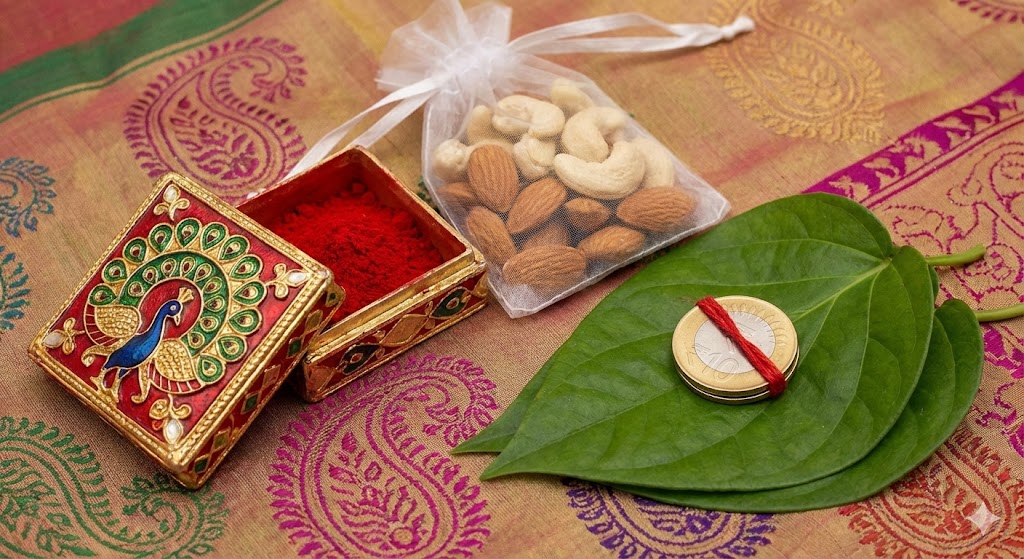
As guests started leaving around 8 PM, my mother and aunts set up the return gift station near the gate. Beautiful little packets appeared: tiny kumkum dabbis, packets of badam and kaju, fresh betel leaves, and—most importantly—a ₹11 shagun coin tucked inside each one. Nothing extravagant, nothing imported, nothing monogrammed. Just pure tradition.
What amazed me was how every single guest—from my 80-year-old nani to the 25-year-old neighbor girl—understood the ritual instantly. No explanations needed. No “what’s this for?” questions. Everyone knew: these aren’t party favors. These are prayers for the mother, the baby, and our family.
That’s the magic of Godh Bharai return gifts. Every Indian state has its own version, but they all serve the same sacred purpose: safe delivery, healthy baby, prosperous family. Let me take you through the complete regional breakdown so when it’s your turn to host, you’ll know exactly what to give and why.
The Universal Spiritual Foundation
Godh Bharai literally translates to “filling the lap” (godh = lap/womb, bharai = filling). It’s typically celebrated in the 7th or 9th month of pregnancy, marking the final stage before delivery. The return gifts carry specific prayers for:
-
Mother’s safe delivery (turmeric, kumkum)
-
Baby’s health (sweets, fruits, nuts)
-
Family prosperity (shagun coins)
-
Protection from nazar (mirrors, black threads)
Core symbolism across ALL states:
-
Red/saffron colors: Life force, fertility
-
Odd-numbered shagun: New beginnings
-
Sweet items: Joy, sweetness in life
-
Round objects: Completeness, wholeness
Now let’s see how each region interprets this universal tradition.
North India: The Kumkum Dabbi Classic
States: Uttar Pradesh, Bihar, Haryana, Delhi, Rajasthan, Punjab, Madhya Pradesh
Signature item: Mini kumkum dabbi (vermilion box) + badam + ₹11 shagun coin
Anatomy of a North Indian Godh Bharai Packet
• Mini kumkum dabbi (red plastic/glass): ₹8-12 each

• 10-15g badam + kaju mix: ₹15-18

• 2 betel leaves + 2 areca nuts: ₹8

• ₹11 shagun coin: ₹9 (wholesale)

• Red paper cone or pouch: ₹3

• Tiny chunari cloth piece: ₹2 (optional)

**TOTAL PER GUEST: ₹45-52**
Why kumkum dabbis specifically?
-
Vermilion = sindoor = marital bliss
-
Symbolizes the mother’s continued health as wife/mother
-
Red plastic boxes are practical (don’t spill), colorful (festive), cheap (₹6 wholesale)
-
Easily available from Sadar Bazaar or temple shops
Regional variations:
-
Punjab: Add pink chunari fabric swatch (₹2 extra)
-
Rajasthan: Include tiny round mirror (₹5, nazar protection)
-
Bihar: 2 motichoor ladoos instead of dry fruits (₹12)
Real example: My sister-in-law’s ceremony (175 guests). We bought 200 kumkum dabbis from Sadar Bazaar at ₹6.50 each. Total return gift cost: ₹8,250. Every mausi said, “Perfect North Indian Godh Bharai tradition!”
Maharashtra: Coconut + Sacred Thread Ritual
Signature: Half coconut + kumkum + haldi + besan ladoo
Complete Maharashtra Packet (₹48-55)
• Half coconut (decorated with moli): ₹18-22

• Kumkum + haldi paper cones: ₹8

• 1 besan ladoo (25g): ₹10

• ₹11 shagun coin: ₹9

• Banana leaf wrap + red thread: ₹3

**TOTAL: ₹48-52**
Why coconut is non-negotiable:
-
Represents pure mind for mother during delivery
-
Complete fruit (no cuts) = wholeness for baby
-
Sacred in every Hindu ritual
-
Moli thread tied around coconut carries protection
Unique Maharashtrian ritual: Guests untie the moli thread from coconut and tie it on their wrist/home entrance for baby blessings.
Modern Mumbai adaptation: Coconut + Cadbury chocolate ladoo (₹58 total, hits both tradition + youth appeal).
Gujarat: Tilgul + Panchmeva Prosperity
Signature: Sesame-jaggery tilgul + 5-nut mix + ₹21 coin
Gujarati Godh Bharai Return Gift (₹60-68)
• Tilgul (sesame-jaggery sweet): ₹12

• Panchmeva (5 nuts mix, 10g): ₹18

• Gathiya/mathiya (10g savory): ₹10

• ₹21 shagun coin: ₹18

• Jute pouch + tilak sticker: ₹6

**TOTAL: ₹64**
Spiritual significance:
-
Tilgul: Sesame = immortality/longevity, jaggery = sweetness/prosperity
-
Panchmeva: 5 nuts = 5 senses working perfectly for baby
-
₹21 coin: 2+1 = trinity blessings for mother-baby-family
Gujju wholesale hack: Temple sweet shops sell tilgul at ₹8/piece (vs ₹12 retail). Panchmeva bulk packets ₹15/10g.
South India: Mini Thamboolam Tradition
Tamil Nadu, Karnataka, Andhra Pradesh, Kerala, Telangana
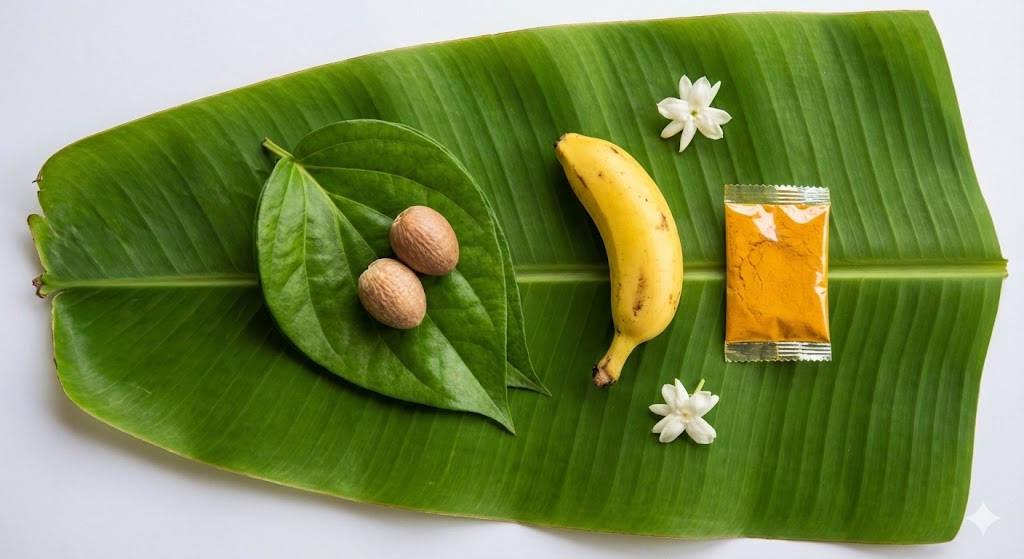
Signature: Betel leaves + turmeric-kumkum + banana + ₹1 coin
South Indian Godh Bharai Packet (₹35-42)
• 2 fresh betel leaves + 2 areca nuts: ₹12

• Turmeric + kumkum paper cones: ₹8

• 1 small banana: ₹5

• ₹1 traditional coin: ₹0.80

• 5-6 jasmine flowers: ₹8

• Banana leaf wrap: ₹3

**TOTAL: ₹36-40**
Why betel leaves for pregnancy rituals?
-
Heart shape = mother’s endless love
-
Digestive aid after heavy ceremony feasts
-
Auspicious green = new life, growth
-
₹1 coin maintains humility (vs North’s ₹11)
State variations:
-
Kerala: Add small camphor cube (₹2)
-
Telangana: Half coconut replaces banana (₹12)
-
Karnataka: Include tiny deity sticker (₹2)
Bengal: Mishti Overload Tradition
Signature: Rasgulla + mishti doi + paan + ₹5 coin
Bengali Godh Bharai Return Gift (₹42-48)
• Mini rasgulla (50g): ₹15

• Mishti doi (small cup): ₹12

• 1 paan leaf + supari: ₹10

• ₹5 shagun coin: ₹4

• Clear plastic box: ₹4

**TOTAL: ₹45**
Why Bengali sweet extravaganza?
-
Bengali belief: Sweetness in life = sweet baby, sweet future
-
3 sweet items = trinity blessings
-
Paan completes the digestive ritual
Pro tip: Order rasgullas/mishti doi day-before from KC Das or local shop. Freshness = everything.
East/Northeast: Fruit + Prayer Focus
Odisha, Jharkhand, Chhattisgarh, Assam
Eastern States Packet (₹45-52)
• Small pomegranate: ₹15

• ₹11 shagun coin: ₹9

• Kumkum + chandan cones: ₹8

• Panchmeva (5 dry fruits): ₹12

• Palm leaf wrap: ₹3

**TOTAL: ₹47**
Pomegranate symbolism:
-
365 red seeds = 365 days of health
-
Abundance = prosperous baby
-
Round shape = completeness
Complete Budget Breakdown: 100 Guests Per State
| State | Signature Item | Per Guest | 100 Guests | Wholesale Source |
|---|---|---|---|---|
| North India | Kumkum dabbi | ₹47 | ₹4,700 | Sadar Bazaar |
| Maharashtra | Coconut + moli | ₹50 | ₹5,000 | Temple markets |
| Gujarat | Tilgul + panchmeva | ₹64 | ₹6,400 | Sweet shops |
| South India | Mini Thamboolam | ₹38 | ₹3,800 | Flower markets |
| Bengal | Rasgulla + doi | ₹45 | ₹4,500 | KC Das/Local |
| East/Northeast | Pomegranate | ₹47 | ₹4,700 | Fruit wholesale |
National average: ₹47/guest. Most budget-friendly: South India.
DIY Godh Bharai Return Gifts: Complete Execution Plan
Week 1: Planning Phase
1. Final guest count (+10% buffer from earlier article)

2. Choose your state tradition (or regional hybrid)

3. Create shopping list with wholesale sources

4. Budget allocation (₹5,000 for 100 guests)
Shopping List: North Indian (200 Guests)
• 220 kumkum dabbis: ₹6.50 × 220 = ₹1,430

• 220 badam packets (10g): ₹14 × 220 = ₹3,080

• 220 ₹11 coins: ₹9 × 220 = ₹1,980

• 440 betel leaves: ₹0.50 × 440 = ₹220

• Red pouches: ₹3 × 220 = ₹660

• Chunari swatches: ₹2 × 220 = ₹440

**GRAND TOTAL: ₹7,810**

**Per guest: ₹35.50 (excellent value)**
Ceremony Day Timeline
10 AM: Buy fresh betel leaves, jasmine

2 PM: Dry fruits arrive from wholesaler

4 PM: Assembly line (7 family members)

6 PM: Packets ready in trays

8 PM: Distribution during farewells
Assembly Line (45 minutes for 200 packets)
Station 1 (2 people): Kumkum dabbis

Station 2 (2 people): Dry fruit packets

Station 3 (1 person): Coins + betel leaves

Station 4 (1 person): Chunari + final pouch

Station 5 (1 person): Tray arrangement + quality check
2026 Modern Adaptations (Tradition + Convenience)
Millennial/Gen Z moms blending old + new:
-
Kumkum dabbi + single Ferrero Rocher (₹25 total)
-
Personalized tags: “Baby [Last Name] arrives June 2026” (₹3 extra)
-
Eco-jute pouches (₹6 vs ₹3 plastic)
-
Digital shagun: ₹11 coin + baby registry QR code
Budget Instagram hack: Buy pastel-colored kumkum dabbis (pink, baby blue, mint). Same ₹8 price, looks modern.
Complete Etiquette Guide
Distribution protocol:
-
Elders first (saas, nanad, buas, maasis)
-
Close family friends
-
Neighbors/colleagues
-
Young guests last
Presentation rules:
✅ Right hand only

✅ Tray at waist level (respectful)

✅ Eye contact + "Godh bharai ka shagun"

✅ Elders touch feet before receiving
Regional greetings:
-
North: “Saubhagyawati bhava”
-
South: “Kumari magalo”
-
Maharashtra: “Saasusheel bhava”
-
Bengal: “Subho jonmo”
7 Critical Mistakes to Avoid
-
Even denomination coins (₹10, ₹50 = inauspicious)
-
Skipping shagun entirely (feels incomplete)
-
Distributing before main rituals (wrong timing)
-
Stale sweets/wilted betel leaves (poor quality)
-
Over-customizing (tradition > fancy hampers)
-
Uneven distribution (some get, some don’t)
-
Left-hand giving (only right hand auspicious)
Why These Traditions Endure (The Deeper Reason)
In 2026—when you could buy personalized mugs, monogrammed chocolates, or baby-themed hampers for ₹250+—₹45 regional packets survive because:
Emotional authenticity: Every item carries specific prayers nobody needs to explain
Cultural fluency: Guests instantly understand symbolism
Budget parity: ₹45 vs ₹250 modern gifts
Zero landfill waste: Fully biodegradable
Generational bonding: Elders feel respected, youth learn roots
My sister-in-law kept one kumkum dabbi from her Godh Bharai on her home altar. Baby arrived perfectly healthy last October. Tradition fulfilled.
Your Regional Checklist (Copy-Paste Ready)
NORTH INDIA: Kumkum dabbi + badam + ₹11 coin + betel leaves

MAHARASHTRA: Coconut + moli + besan ladoo + ₹11 coin

GUJARAT: Tilgul + panchmeva + gathiya + ₹21 coin

SOUTH INDIA: Betel leaves + turmeric-kumkum + banana + ₹1 coin

BENGAL: Rasgulla + mishti doi + paan + ₹5 coin

EAST: Pomegranate + panchmeva + ₹11 coin
Universal rule: Always odd-numbered shagun. Always include regional signature item.
Next Godh Bharai you host, your guests won’t just receive gifts—they’ll receive your family’s prayers for that precious life about to arrive.
What’s YOUR state’s Godh Bharai tradition? North Indian kumkum? Maharashtrian coconut? Something completely different? Share in comments—regional variations fascinate me!