Every year on Ashtami or Navami, my mother would wake me up at 5 AM with that familiar announcement: “Kanjak aa rahi hain, taiyaar ho jao.” Within two hours, our home would transform.
The floor freshly mopped, marigold petals at the entrance, a small wooden chowki covered in red cloth, diyas lit, and the smell of halwa-puri-chana drifting through every room.
Then they’d arrive. Seven, nine, sometimes eleven little girls from our mohalla—ages 2 to 10—dressed in their finest, hair oiled and braided, tiny bindis on their foreheads.
My mother would wash their feet herself. Touch their feet in reverence. Seat them on the chowki. Feed them by hand. And then—the part every girl secretly waited for—the gifts.
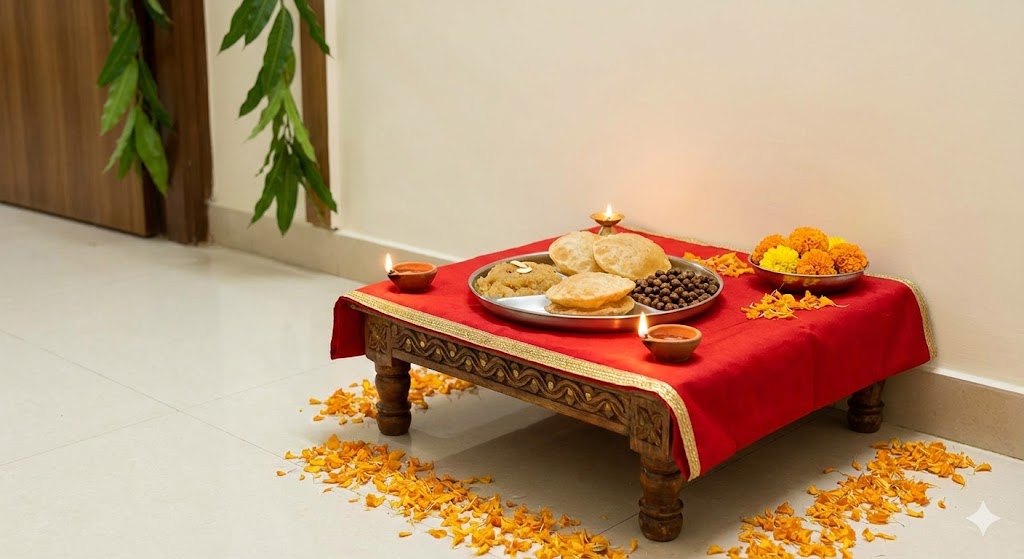
Red chunari. ₹11 shagun envelope. New steel katori. Sometimes nail polish or bangles for older ones. Small, symbolic, deeply intentional.
I’ve hosted Kanjak myself now for twelve years. Every year I get questions from younger women in my building: “What exactly should we give? Is there a rule? Can I give chocolates? What about toys?”
So here is the complete guide—traditional rules, regional variations, modern adaptations, and real 2026 pricing—so your Kanjak gifting is done with both respect and clarity.
What Is Kanjak? The Spiritual Foundation
Kanjak (also called Kanya Puja) is the sacred ritual performed on Ashtami (8th day) or Navami (9th day) of Navratri. Young girls—typically ages 2 to 10—are worshipped as living embodiments of Goddess Durga’s nine forms (Navdurga):
-
Shailputri (ages 2–3)
-
Brahmacharini (age 3)
-
Chandraghanta (age 4)
-
Kushmanda (age 5)
-
Skandamata (age 6)
-
Katyayani (age 7)
-
Kaalratri (age 8)
-
Mahagauri (age 9)
-
Siddhidatri (age 10+)
Sacred number: You must invite odd numbers—7, 9, or 11 girls. Never 6 or 8. Plus one boy (representing Bhairav/Bal Bhairav, Durga’s protector).
The ritual sequence:
-
Wash girls’ feet with clean water
-
Apply alta (red dye) on feet
-
Apply tilak (roli + rice)
-
Seat on decorated chowki/aasan
-
Serve halwa, poori, chana, sometimes kheer
-
Gift giving (most discussed section!)
-
Touch their feet for blessings
Gifts in Kanjak aren’t “return gifts” in the party sense. They’re dakshina—offerings given in reverence to the goddess form these girls represent.
The Traditional Gifting Rules (Non-Negotiable Items)
Certain items have been given at Kanjak for generations, with specific reasons. These are not optional decorations—they’re the core of the ritual:
1. Chunari/Dupatta (Most Sacred Item)
What: Red, saffron, or pink synthetic chunari (scarf/dupatta).
Why: Represents Durga’s blessing cloth. Red = shakti (power), fertility, protection.
Size: Small (1 meter) for children is fine.
Cost: ₹20–45 wholesale.
Rule: Every single girl must receive a chunari. No exceptions. Even if budget is extremely tight, chunari stays.
2. Shagun Dakshina (Money)
What: ₹11, ₹21, or ₹51 per girl. Always odd.
Why: Completes the exchange—goddess’s blessings received, prosperity returned.
How given: In small red envelope or folded in chunari.
Cost: ₹11 per girl minimum.
Modern adjustment: Many families now give ₹51–101 since ₹11 feels token. Your choice, but always odd.
3. Shringar Items (Adornment Offerings)
What: Items that adorn the goddess—bangles, bindi, kajal, alta, small mirror.
Why: You’re dressing the goddess form. Shringar = devotion.
Classic shringar kit (per girl):
• 1 pair glass bangles: ₹8–12

• Bindi pack (small): ₹5

• Alta (red foot dye): ₹3 (shared bottle)

• Mini kajal stick: ₹8

**Total**: ₹21–28
4. Halwa-Poori-Chana (Food Prasad)
Not technically a “take-home gift” but every girl receives:
-
Full plate to eat during ceremony
-
Take-home prasad packet (poori + halwa wrapped in foil): ₹8–12
This is non-negotiable. Girls eating well = goddess satisfied.
Complete Kanjak Gifting by Budget (Per Girl)
Budget Level 1: Traditional Minimal (₹50–70 per girl)
• Chunari (₹1 red cloth piece): ₹25

• ₹11 shagun in envelope: ₹11

• Bindi pack: ₹5

• Prasad packet: ₹10

• Total: ₹51
When to use: Very tight budgets, large groups (15+ girls).
Budget Level 2: Classic Complete (₹100–130 per girl)
• Chunari: ₹35

• ₹21 shagun in red envelope: ₹21

• Glass bangles: ₹12

• Bindi pack: ₹5

• Mini kajal: ₹8

• Prasad packet: ₹12

• Total: ₹93–103
When to use: Most common, standard Kanjak setup.
Budget Level 3: Generous Modern (₹150–200 per girl)
• Silk-finish chunari: ₹55

• ₹51 shagun: ₹51

• Steel katori or small bowl: ₹25

• Full shringar kit: ₹28

• Prasad packet: ₹12

• Total: ₹171
When to use: Families who consider this their most important annual ritual.
Regional Variations Across India
Punjab/Haryana/Delhi (Belt Where Kanjak Is Biggest)
Classic gifts:
-
Red chunari (mandatory)
-
₹11–21 shagun
-
Glass bangles (must be green + red combo for married goddess symbolism)
-
Hair clips or ribbons for younger girls
Special item: Steel katori (small bowl). Given as permanent utensil—practical and auspicious.
Post-meal tradition: Girls leave taking prasad packet AND gifts. Some families also give fruits (1 banana + 2 apples).
Rajasthan
Elaborate shringar focus:
-
Chunari (often tie-dye/bandhani pattern)
-
Mehndi cone (₹15)
-
Lac bangles (₹20–30)
-
₹21 coin in cloth potli
Unique tradition: Girls’ feet painted with mehendi patterns (by host family) before gifting.
Uttar Pradesh (Including Dadri Region)
Practical + spiritual balance:
-
Red chunari
-
₹11 coin in red envelope
-
Puja thali set (mini: roli, kumkum, rice)
-
Small box of batashe (sugar pellets) for prasad
Cost per girl: ₹65–80.
My personal Kanjak: I host 9 girls from our Dadri building every Navami. Total spend: ₹720 (₹80 per girl). Plus halwa-poori-chana food: ₹500. Grand total: ₹1,220.
Gujarat/Maharashtra (Where It’s Called Kumari Puja)
Slightly different items:
-
Yellow or saffron chunari (vs red)
-
₹21 coin
-
Small coconut piece
-
Tilgul sweet
-
Bangles (glass, red-green)
Maharashtra special: Girls also receive sacred turmeric piece (haldi) for future prosperity.
Bengal (Navami Kumari Puja)
More elaborate ritual:
-
Full puja performed by priest
-
Silk cloth (not just chunari)
-
Flowers, fruits, sweets
-
₹51 dakshina (more formal than North)
Bengal style: Treats it more like temple ritual—elaborate, priest-led, expensive. Not casual mohalla gathering style.
What You Can ADD (Modern Acceptable Items)
Tradition has evolved slightly. These additions are accepted without disrupting the ritual’s spirit:
For ages 2–5:
-
Small soft toy (₹40–60)
-
Coloring book (₹30)
-
Hair accessories set (₹25)
For ages 6–10:
-
Stationery set (₹80–100) — replaces or supplements shringar for older girls
-
Small notebook + pens (₹50)
-
Art supply kit (₹70)
Universal additions:
-
Small chocolate bar (₹10) — NOT replacing prasad, just added
-
Steel spoon with katori (practical utensil gift)
What You Should NEVER Give at Kanjak
This matters. Some things break the ritual’s sacredness:
Never give:
-
Plastic toys (frivolous, non-spiritual)
-
Junk food/chips (disrespectful to goddess form)
-
Second-hand items (ever)
-
Items in black packaging (inauspicious)
-
Even-numbered dakshina (₹10, ₹20, ₹50)
-
Anything dirty, broken, or incomplete
Rule of thumb: You’re gifting the goddess. Would you offer that item in a temple? If not, don’t give it.
The Boy (Bhairav) — Often Forgotten
Every Kanjak must include one boy (Bal Bhairav), usually youngest available.
His gifts are slightly different:
-
No chunari (it’s feminine)
-
₹11–21 shagun (same as girls)
-
Small toy car or ball (₹40–60)
-
Steel bowl or glass (useful item)
-
Prasad plate same as girls
Many families forget the boy entirely, then scramble when he arrives with his sister. Keep 1–2 separate boy gift packets ready always.
Wholesale Shopping Guide (2026 Prices)
Where to buy in bulk:
Sadar Bazaar, Delhi / Local wholesale markets:
-
Chunari (bulk, 12 pieces): ₹200–350
-
Glass bangles (gross pack): ₹120 for 12 pairs
-
Bindi packs (box of 50): ₹80
-
Red envelopes (pack of 50): ₹30
-
Steel katoris (12 pieces): ₹280–320
Online wholesale (IndiaMART, Meesho):
-
Chunari sets (12 pieces): ₹250–400
-
Shringar kits (pre-packed): ₹45–65 each
Local kiryana/cloth shops:
-
Usually have chunari and bangles for standard prices
-
Good for last-minute buying
Pro tip: Buy wholesale by Ashtami of Chaitra Navratri (March/April) for Shardiya Navratri (October). Off-season = 25–30% cheaper.
Full Cost Plan: 9 Girls + 1 Boy (Standard Kanjak)
GIFTS:

• 9 chunaris (₹35 each): ₹315

• 9 × ₹21 dakshina: ₹189

• 9 shringar kits (bangles + bindi + kajal): ₹180

• 1 boy gift (toy + shagun): ₹80

• 10 prasad packets (poori + halwa): ₹100
FOOD (halwa-poori-chana):

• Sooji halwa: ₹80

• Puri dough + frying: ₹120

• Kala chana: ₹60
PUJA ITEMS:

• Marigold garland: ₹30

• Diyas (4): ₹20

• Roli, kumkum, akshat: ₹15

• Red cloth for chowki: ₹30
GRAND TOTAL: ₹1,219

Per girl (including food + puja): ₹121

Pure gift cost per girl: ₹76
For most families, this is the most value-for-money religious ritual you’ll ever host.
Common Mistakes Every New Host Makes
Mistake 1: Forgetting the boy
He shows up, no gift ready. Rush to kitchen, give him sweets. Awkward. Always keep 1–2 boy packets pre-packed.
Mistake 2: Even shagun amounts
₹20 in an envelope = inauspicious. Always ₹11, ₹21, ₹51.
Mistake 3: Synthetic bangles that break immediately
Goddess’s bangles should be real glass, not flimsy plastic. ₹12 vs ₹5—spend the extra.
Mistake 4: Inviting even numbers
7 girls or 9 girls. Never 8, never 10. If one can’t come, replace with another.
Mistake 5: Distributing before the puja
Complete the full ritual first: feet washing, tilak, feeding. Gifts come last.
Mistake 6: Mixing age-inappropriate gifts
4-year-old gets nail polish, 9-year-old gets rattles. Match gifts to real ages.
How Kanjak Teaches Children (The Bigger Purpose)
When my 7-year-old nephew watched me wash a little girl’s feet at Kanjak for the first time, he was confused. “Aunty, why are you touching her feet? She’s younger than me!”
I explained: “Because today she represents something older and wiser than both of us. Today she is the goddess.”
That’s what Kanjak teaches that no classroom can:
-
Reverence over hierarchy (adults bow to children)
-
Seva (service) as highest act
-
Seeing divinity in ordinary people
The gifts aren’t transactions. They’re offerings. That reframing changes everything about how you host.
Final Thought: You’re Not Hosting a Party
This is the one thing I want every first-time Kanjak host to remember.
You’re not throwing a party for little girls. You’re hosting the goddess. Those tiny feet you’re washing—in that moment, they represent Durga’s feet. That halwa you’re serving—it’s prasad, not lunch. That chunari you’re handing over—it’s the goddess’s cloth, not a party favor.
When that shift happens in your mind, every decision becomes easier. Quality over shortcut. Reverence over budget-cutting. Tradition over trend.
Give the chunari. Give odd-numbered dakshina. Wash their feet yourself. The goddess notices everything.
What’s your family’s Kanjak tradition? Do you give steel katoris, silk chunaris, stationery sets? Which city, which style? Share in the comments—Kanjak traditions vary so beautifully across India!